


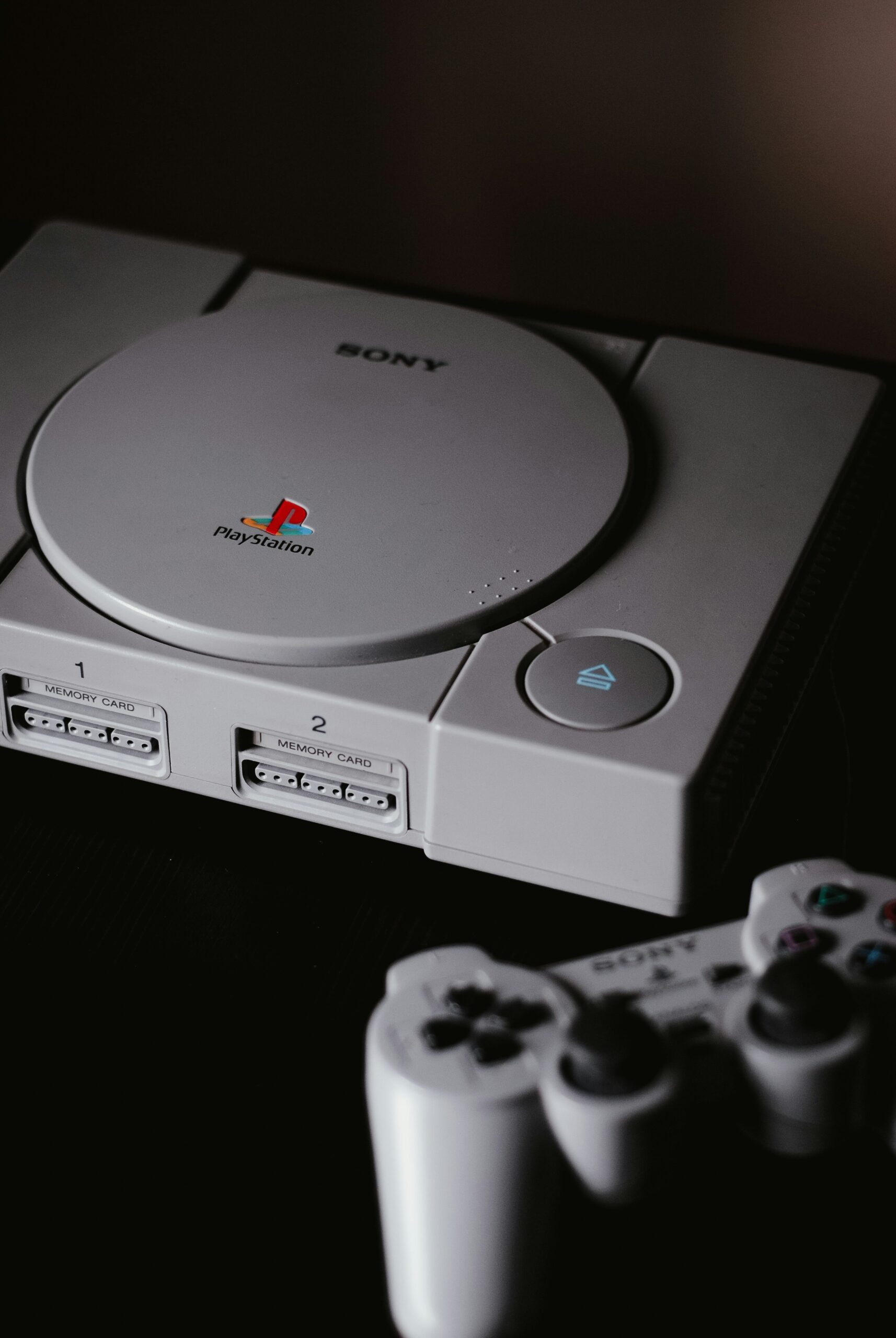
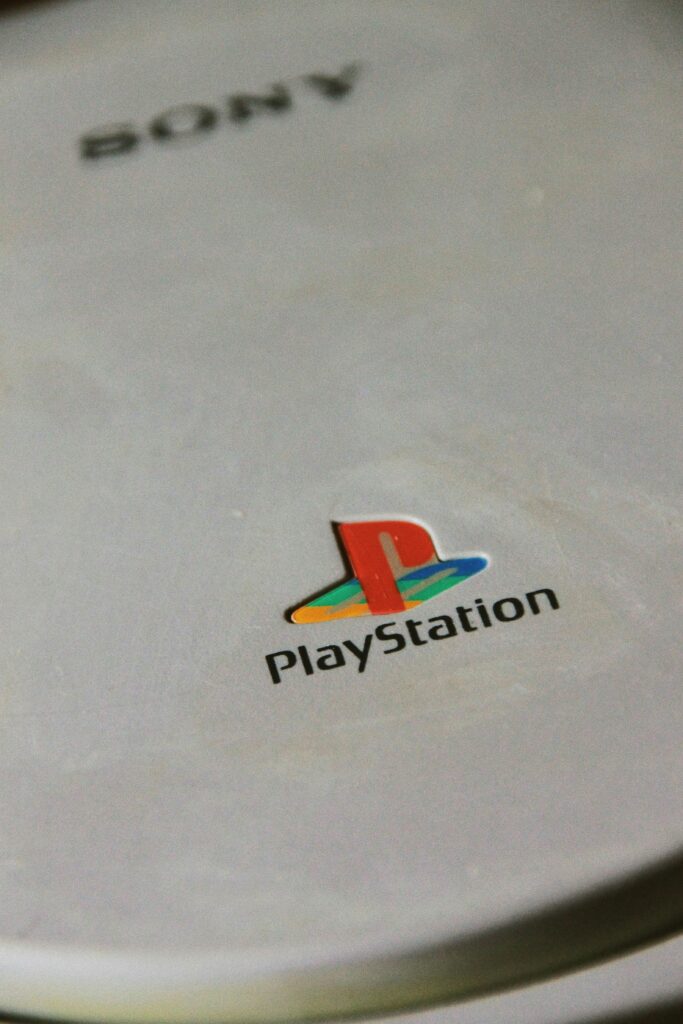
Ah, the golden age of gaming! A time when pixels and polygons sparked our imaginations and the thrill of adventure was as simple as pressing the “start” button. As gamers, we often reminisce about those classic titles that shaped our childhoods, and that’s where the Sony PlayStation Classic comes into play—literally! Released in December 2018, this mini console is a love letter to a revolutionary gaming system that forever changed the landscape of interactive entertainment. So grab your controllers and let’s take a trip down memory lane!
The Birth of a Legend
The original Sony PlayStation launched in December 1994, and it marked Sony’s foray into the gaming console market. With its sleek design, compact discs, and 3D capabilities, it quickly captured the hearts of gamers. Titles like “Final Fantasy VII,” “Metal Gear Solid,” and “Resident Evil” became staples, while the iconic DualShock controller introduced analog sticks that transformed how we played. The PlayStation was the first gaming console to ship over 100 million units, establishing Sony as a dominant force in the industry.
The Concept Behind the Classic Edition
Fast forward to 2018, and nostalgia was palpable. The gaming community was buzzing with excitement over the idea of classic consoles making a comeback, thanks to the success of mini consoles like the NES Classic and the SNES Classic. In response, Sony decided to dip their toes in the retro revival pool with the PlayStation Classic—an emulator packed with some of the most beloved games from the original system.
The intent behind the PlayStation Classic was straightforward: to capture the spirit of the original while providing a compact, plug-and-play device for a new generation of gamers and a nostalgic trip for veterans. But, as we know, the gaming community can be a tough crowd!
What’s Inside the Classic?
The PlayStation Classic is about the size of a smartphone and comes pre-loaded with 20 titles, featuring a mix of genres to cater to a variety of gaming tastes. You’ll find classics like “Tekken 3,” “Jumping Flash!” and “Twisted Metal,” alongside the overwhelmingly popular “Final Fantasy VII.” However, fans noticed that some pivotal titles were conspicuously absent, leading to mixed feelings about the selection.
While the hardware itself—featuring a design that mirrors the original PlayStation—is charming, the internal emulation process received criticism. The console ran on an emulator that, for some, lacked the polish and robustness of those from third-party manufacturers. While the controls felt comfortable, there were moments where the performance didn’t quite capture the essence of the originals. As a result, many argued that it didn’t fully live up to the nostalgia factor that such a treasure trove of classic games should convey.
A Mixed Reception
Upon its release, the PlayStation Classic faced some backlash from gamers. The list of included games stirred up debates: some felt it was a glorious trip down memory lane, while others complained about missing iconic titles like “Crash Bandicoot,” “Spyro the Dragon,” and “Castlevania: Symphony of the Night.” Striking the right balance between classic offerings and fan favorites is no small feat, and Sony’s attempt to cater to a wider audience resulted in a mixed bag.
Economically, the PlayStation Classic had a rocky start. Priced at $99.99, it initially struggled to generate high sales figures, leading to significant price reductions in the months following its release. But as any seasoned gamer knows, sometimes a product’s value is not in its initial reception but how it ultimately impacts the community.
The Legacy Lives On
Despite its shortcomings, the PlayStation Classic holds a special place in the hearts of many. It serves as a reminder of an era where gameplay reigned supreme over graphics and where every pixel mattered. It encourages younger gamers to explore their roots, while also bringing the seasoned veterans back to their formative years.
Additionally, the nostalgia factor cannot be overemphasized. In a world where gaming has become increasingly complex and worldwide connectivity reigns supreme, the simplicity of popping in a game and reliving past adventures is a nostalgic comfort.
Conclusion
So, what do we take away from the PlayStation Classic? It represents the beauty of nostalgia blended with the realities of modern gaming culture. While it may not have hit all the right notes for everyone, it nonetheless serves as a bridge between generations, allowing us to share our love of gaming with newcomers while reminiscing about the games that defined our childhoods.
As we celebrate Retro Tuesday, let’s throw on those old-school gaming shirts, dust off our favorite controllers, and remember the thrill of the original PlayStation. Here’s to reliving those pixelated memories and cherishing the times when gaming was all about the joy of play!
