


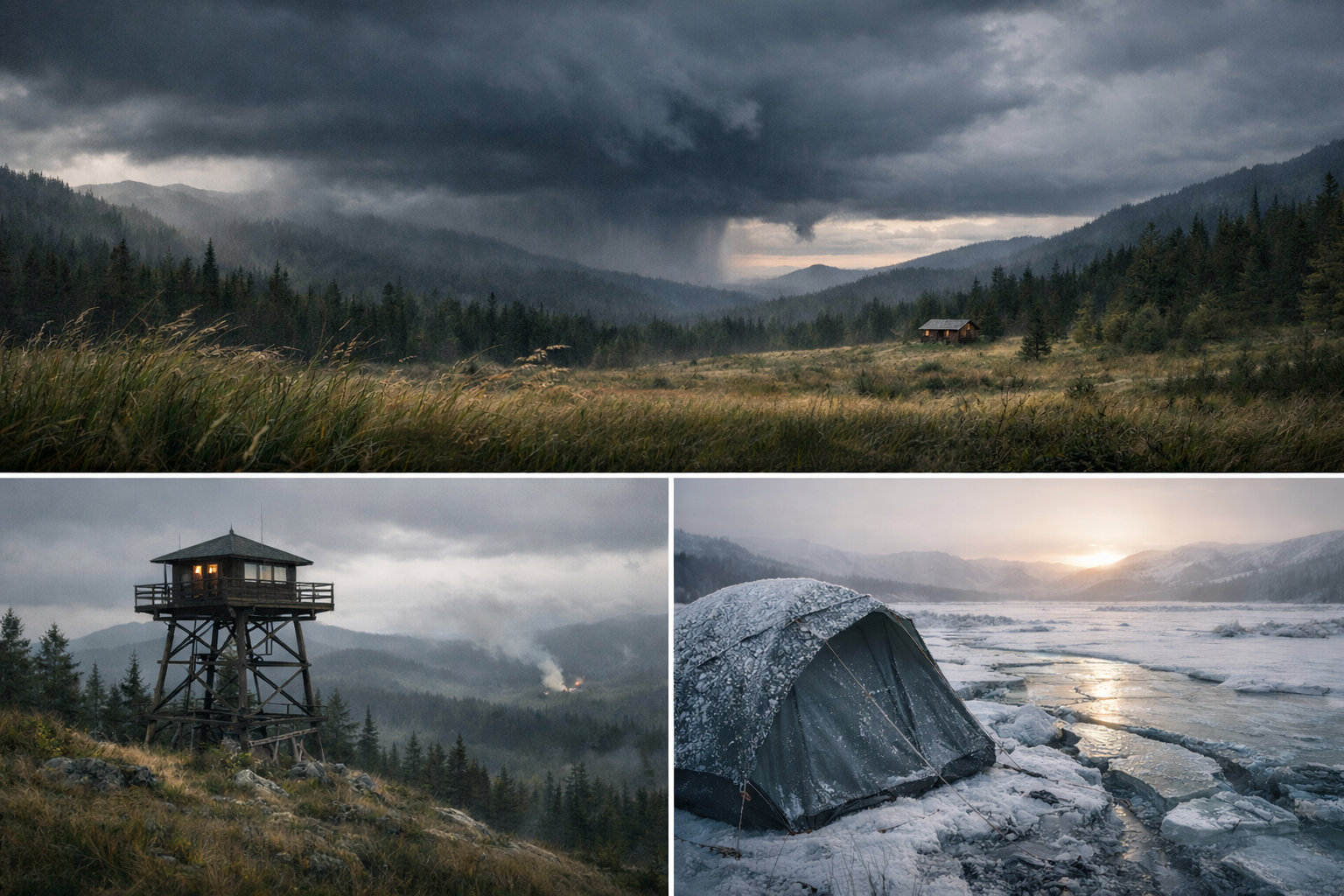
The quiet survival sim 2026 trend is redefining the genre. For years, survival games revolved around monsters. Zombies attacked at night. Raiders stormed settlements. Mutants controlled forests.
Now, however, the enemy has changed.
Instead of fighting creatures, players are fighting the environment itself.
And in 2026, nature is the new final boss.
From Zombie Waves to Weather Systems
Traditionally, survival games escalated through combat. Enemies grew stronger. Weapons became louder. Boss fights felt inevitable. Because of that formula, survival often leaned heavily into action.
In contrast, the quiet survival sim 2026 movement removes the monster entirely.
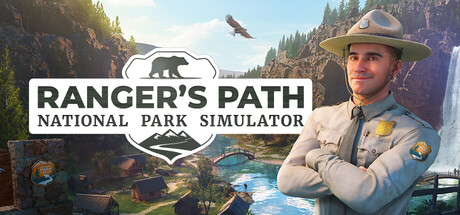
Take Ranger’s Path: National Park Simulator, launching March 10, 2026. Instead of battling undead hordes, players manage wildlife ecosystems, wildfire risks, and unpredictable terrain.
You can view the official Steam page here:
👉 https://store.steampowered.com/
Storms roll in gradually. Trails erode after heavy rain. Wildlife migrates seasonally. Consequently, survival becomes a matter of observation rather than reaction.
Nothing attacks you out of hatred.
Nature simply exists.
If you want a broader look at March’s upcoming titles, revisit our March 2026 Indie Preview Guide (insert your internal link here).
Ranger’s Path and the Rise of Environmental Survival
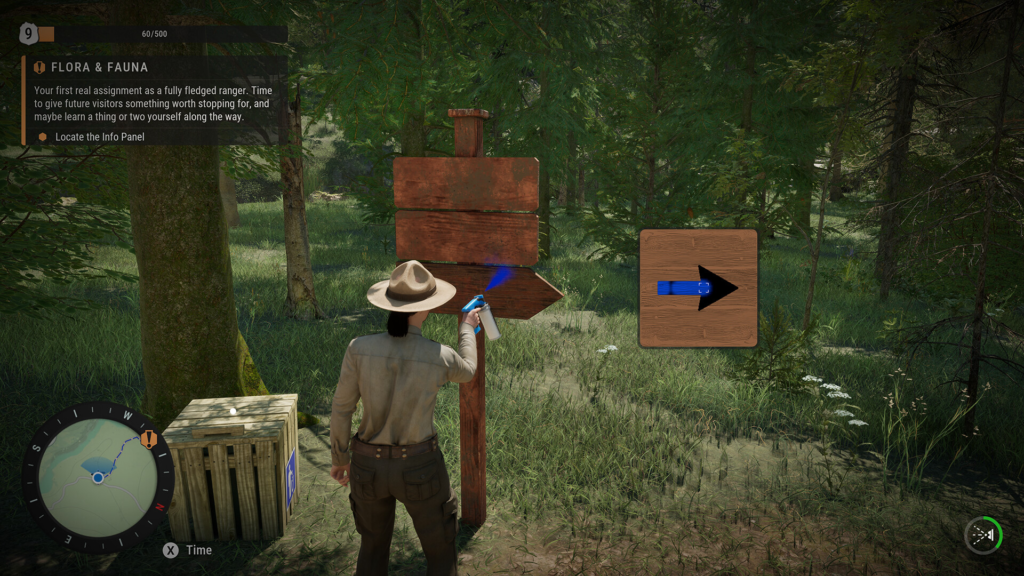
With its March release, Ranger’s Path represents a broader design shift. Rather than scripting enemies, the game simulates systems.
Wind direction influences wildfire spread. Visitor traffic impacts ecosystem balance. Seasonal changes alter available resources. Because of these mechanics, the world operates independently.
Importantly, players cannot “defeat” winter.
They prepare for it.
That subtle distinction defines the quiet survival sim 2026 philosophy.
For more on emerging genre trends, check our analysis of the Cozy Horror 2026 breakout movement (insert internal link).
Why 2026 Is the Turning Point
Several industry forces are converging.
First, players are fatigued by endless zombie loops. After years of combat-heavy survival games, the formula feels predictable. Therefore, developers are experimenting with slower tension.
Second, simulation tools are stronger than ever. Indie teams can now build dynamic weather systems, wildlife AI, and erosion mechanics without AAA budgets.
You can explore the broader Steam survival category here:
👉 https://store.steampowered.com/tags/en/Survival/
Finally, audiences are embracing atmospheric design. Streamers showcase slower survival loops successfully. Viewers appreciate immersion over chaos.
As a result, nature-driven survival is no longer niche.
It is momentum.
Nature as an Indifferent Antagonist
Unlike monsters, nature does not react to you.
Storms form whether you are prepared or not. Rivers rise regardless of your base location. Heatwaves drain stamina slowly and relentlessly.
Because of that indifference, immersion deepens.
In a quiet survival sim 2026 experience, tension builds through anticipation. Players study wind patterns. They track temperature shifts. They observe wildlife behavior.
Failure rarely feels explosive.
Instead, it feels preventable.
That psychological shift changes everything.
Why Indies Are Leading the Quiet Survival Sim 2026 Trend
Large studios often prioritize spectacle. Indie developers, however, prioritize systems.
Because environmental survival requires fewer combat assets, smaller teams can invest heavily in simulation depth. That efficiency encourages experimentation.
Ranger’s Path exemplifies this shift. Instead of boss encounters, it emphasizes ecological balance. Instead of loot progression, it rewards sustainability.
For another example of system-driven design trends, read our Beyond the Waypoints environmental navigation critique (insert internal link).
Less combat.
More consequence.
Final Thoughts: The Wild Is Calling
The call of the wild in 2026 is not a roar. It is a warning carried by wind and weather.
While traditional survival games focus on zombies or monsters, the quiet survival sim 2026 movement challenges players to endure something older and more indifferent: the environment itself.
That shift feels significant.
After years of fighting creatures, survival is becoming about adaptation.
And that evolution may define the genre’s next decade.
