


Survival games have reached a turning point.
For years, players collected resources, built bases, and fought predictable threats. Over time, many survival titles began to feel familiar. However, a new wave of design is challenging that loop.
Instead of repeating old formulas, some games ask deeper questions about impact, community, and legacy.
One of the boldest examples arrives on February 24.
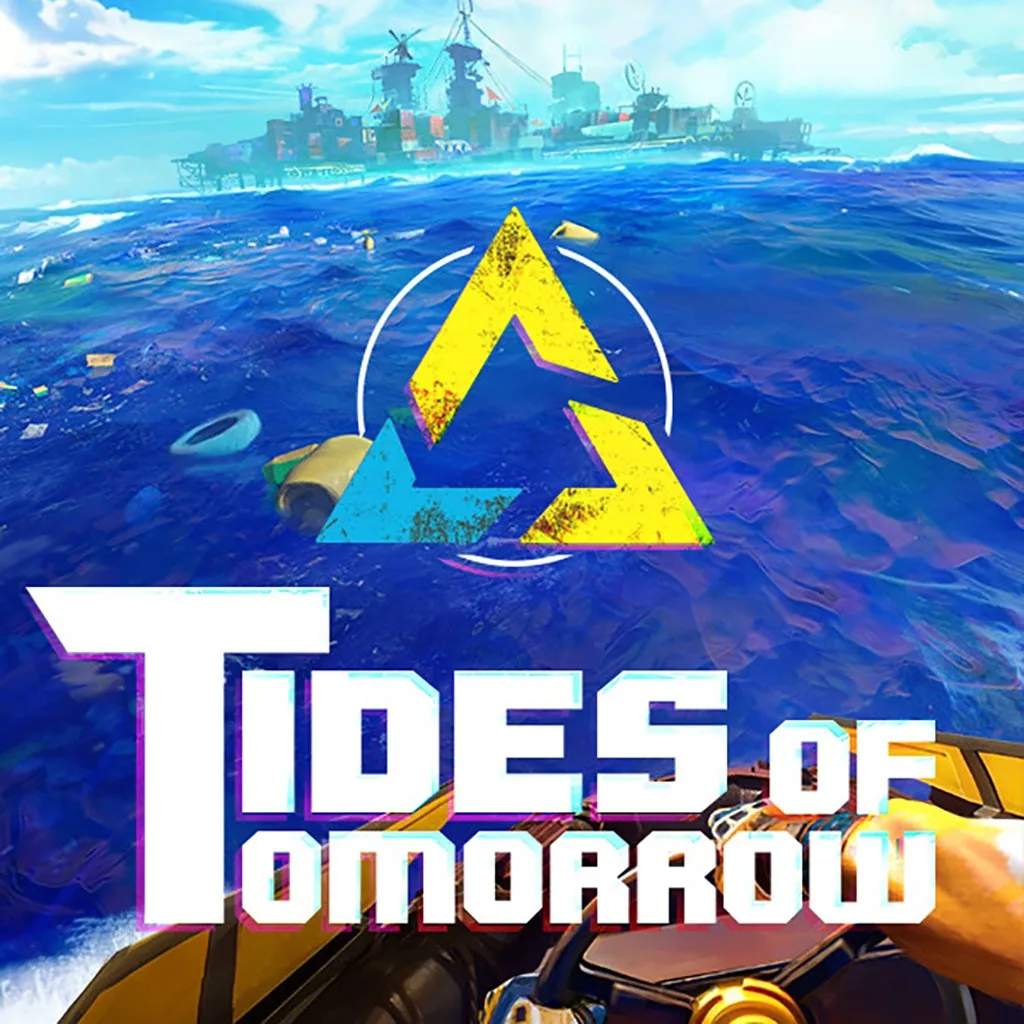
That game is Tides of Tomorrow, developed by DigixArt. You can learn more on the official site: https://tidesoftomorrow.thqnordic.com/
Rather than relying on real-time sessions or crowded servers, it introduces a system where your decisions ripple into future players’ worlds.
As a result, it may redefine what survival means.
Why the Survival Genre Needs Reinvention
Survival games thrive on tension and uncertainty.
Yet when repetition grows, that tension fades. Players master mechanics, safety nets emerge, and new threats feel familiar rather than frightening. Because of this, many survival games struggle to hold attention past a few weeks.
For that reason, designers are experimenting with alternatives to standard loops. Instead of bigger maps or steeper difficulty, they are rethinking player connection.
That is where asynchronous multiplayer enters the picture.
What Makes Tides of Tomorrow Different
At its core, Tides of Tomorrow is an ocean-based survival adventure. You scavenge flooded landscapes. You manage resources. You make moral choices that shape your journey.
However, the true innovation lies in how the game connects players over time.
Instead of sharing a world at the same moment, your actions persist into the worlds of future players. Your choices become part of the environment. They influence how others experience the game. Because that legacy builds over time, the game feels shared without requiring simultaneous presence.
The Social Legacy System Explained
In Tides of Tomorrow, every major decision can leave a mark. If you help a stranded survivor, others may benefit later. If you remove a resource from a region entirely, future players find a harsher landscape. Environmental changes, structures, and even moral echoes carry forward.
That design turns individual play into a broader tapestry. It also invites players to think beyond their own run.
Instead of “how do I survive?” the question becomes “how will my survival affect others?”
Because those consequences matter, the world feels alive even when you’re offline.
Asynchronous Multiplayer Without Traditional Chaos
Traditional survival multiplayer often leads to problems like griefing, hostile server politics, and reset cycles that erase progress.
Tides of Tomorrow avoids those pitfalls.
By separating presence from influence, it preserves social weight without forcing direct interaction. Players contribute indirectly, building on the world through meaning rather than aggression. That structure reduces toxicity while maintaining a sense of community.
Additionally, the system encourages thoughtful choices rather than reactionary play.
Why It Appeals to Fans of Death Stranding
This idea might sound familiar.
Fans of Death Stranding will recognize the philosophy. In that game, players assisted strangers through shared structures and signs, creating collaboration without classic co-op.
Tides of Tomorrow expands on that framework, applying it to survival design.
Instead of shared tools, it shares consequences. Instead of silent cooperation, it creates lasting impact. Because of that, players feel part of a larger narrative—one shaped by many hands.
In both cases, the world becomes a record of collective play.
Meaningful Choices Replace Traditional Progression
Most survival games reward efficiency and optimization.
In contrast, Tides of Tomorrow rewards responsibility.
Choices are not merely mechanical. They carry moral weight. For example, you might decide to preserve an area for future players. Alternatively, you might push forward at the expense of others. Because legacy builds over time, these decisions have emotional as well as gameplay consequences.
That shift changes how players think while they play.
Why This Could Revitalize the Genre
Survival games often struggle with longevity.
Asynchronous design offers a solution. Instead of relying solely on content updates, meaning grows through accumulation. Structures emerge organically. Stories evolve without developer intervention.
Because the community collectively shapes the experience, replayability increases naturally.
That is a powerful incentive for long-term engagement.
Why February 24 Is a Smart Launch Window
Timing matters for experimentation.
Early in the year, players are more open to new ideas. Fewer blockbuster releases mean curiosity outweighs caution. That gives niche titles breathing room to shine.
Launching on February 24, Tides of Tomorrow benefits from this openness. It invites players to explore something unfamiliar without overwhelming competition.
For an experimental survival game, that window is ideal.
The Reward—and the Risk—of Social Legacy
This approach is not without risk.
Some players prefer control. Others dislike unseen consequences. Asynchronous systems require trust in the community. However, innovation always carries uncertainty.
When developers take risks, they often uncover new paths for genres once thought mature.
If Tides of Tomorrow succeeds, it could prove that survival games do not need louder chaos or bigger crowds. Instead, they need quieter connection and shared meaning.
Final Thoughts
Tides of Tomorrow is not trying to replace traditional multiplayer.
Instead, it offers an alternative.
By letting player choices shape the world for future survivors, it introduces persistence without pressure. It creates community without crowds. It builds tension through responsibility rather than aggression.
Launching February 24 and developed by DigixArt, this ocean-based survival experiment asks a bold question:
Can asynchronous multiplayer save the survival genre?
With its social legacy mechanics, Tides of Tomorrow might just have the answer.
Official site: https://tidesoftomorrow.thqnordic.com/
