

The Visual Language Behind Opus Prism Peak Art
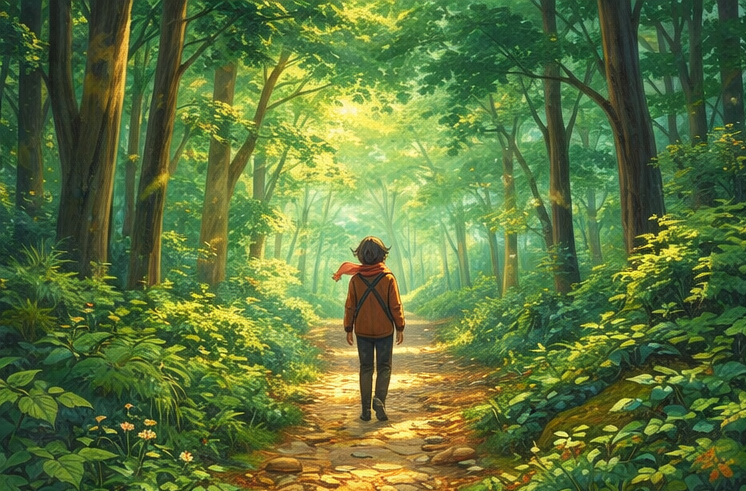
The Opus Prism Peak art direction defines the entire emotional tone of this upcoming narrative adventure. Rather than rely on realism or spectacle, the developers build atmosphere through color, light, and composition. As a result, the world feels intimate and reflective from the first frame.
While many 2026 indies chase high-contrast realism, Prism Peak leans into softness. Moreover, it trusts visual restraint. Because of that confidence, the art becomes the primary storytelling device.
You can follow the official updates on the game via its publisher here:
👉 https://sigono.com/
How Opus Prism Peak Art Draws from Studio Ghibli
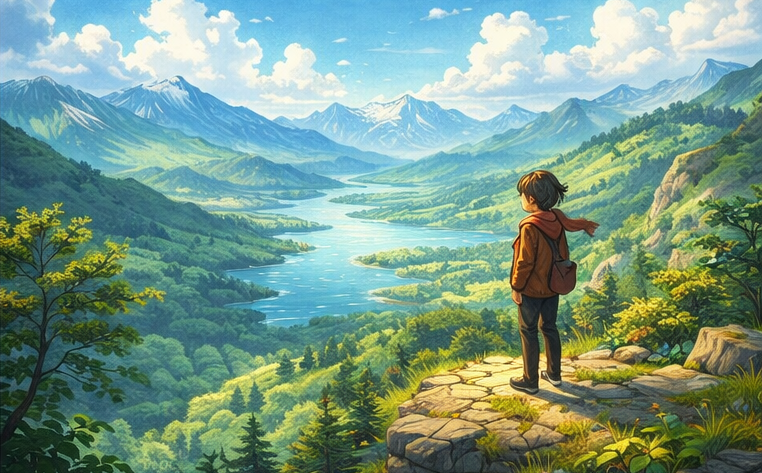
At first glance, the inspiration is clear. Wide skies stretch over quiet forests. Light filters gently through trees. Characters often appear small against vast landscapes. However, the influence never feels derivative.
Instead, the visual captures the emotional language of Studio Ghibli films like Spirited Away and Princess Mononoke. The focus is not spectacle. The focus is mood.
If you want to explore the visual legacy influencing this direction, Studio Ghibli’s official archive offers insight into that painterly tradition:
👉 https://www.ghibli.jp/
Unlike many cinematic games, Prism Peak avoids excessive UI clutter. That design philosophy aligns closely with the environmental navigation trend discussed in our feature:
👉 Beyond the Waypoints: The Rise of Environmental Navigation in 2026
(Internal link)
Environmental Storytelling in Opus Prism Peak Art
Color becomes emotional navigation.
Cool tones suggest isolation. Warm ambers signal connection. Muted greens create reflection. Consequently, players understand tone shifts before dialogue even begins.
Importantly, the art minimizes intrusive markers. There are no aggressive objective prompts dominating the screen. Instead, landmarks guide exploration through contrast and silhouette.
This approach mirrors the quieter design shift we explored in:
👉 The Call of the Wild: Why 2026 Is the Year of the Quiet Survival Sim
(Internal link)
Because the art communicates so clearly, the game does not need heavy exposition. Therefore, immersion feels natural rather than forced.
Character Framing and Silhouette Design in Opus Prism Peak Art
Character design follows the same philosophy.
Silhouettes remain readable at distance. Expressions stay subtle. Outfits are simple but intentional. Meanwhile, scale is used strategically. Small figures against towering landscapes reinforce vulnerability.
The Opus Prism Peak art strengthens narrative themes without over-explaining them. Instead of telling players how to feel, the visual composition invites interpretation.
That restraint is rare in 2026. Yet it may be the game’s greatest strength.
Why the Visual Matters for Narrative Adventures
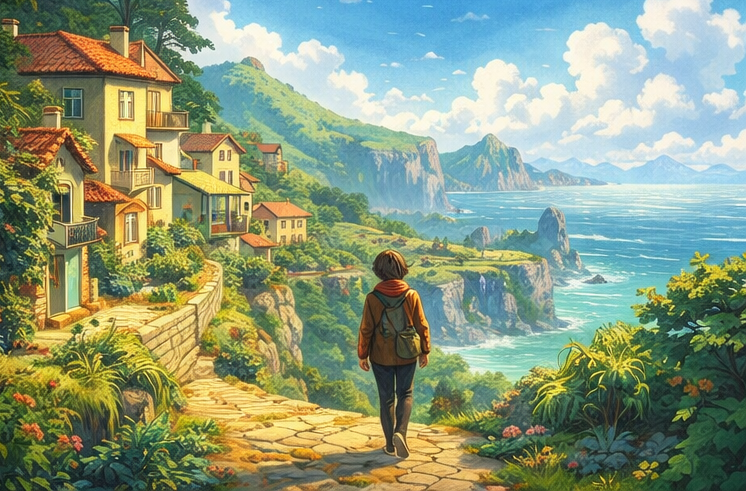
In a year filled with mechanically ambitious releases, visual cohesion stands out. A unified art direction builds trust. Additionally, consistent mood improves pacing. As a result, emotional beats land more effectively.
The Opus Prism Peak art proves that strong aesthetic identity can replace excessive systems. It reduces noise. It enhances immersion. Most importantly, it makes the world feel lived in.
If you’re interested in how art direction shapes emotional response in games, this breakdown from GDC on environmental storytelling offers deeper insight:
👉 https://www.gdcvault.com/
Ultimately, Prism Peak is not just presenting a beautiful world. It is presenting a visual philosophy. And that philosophy may define the next wave of narrative-driven indies.
